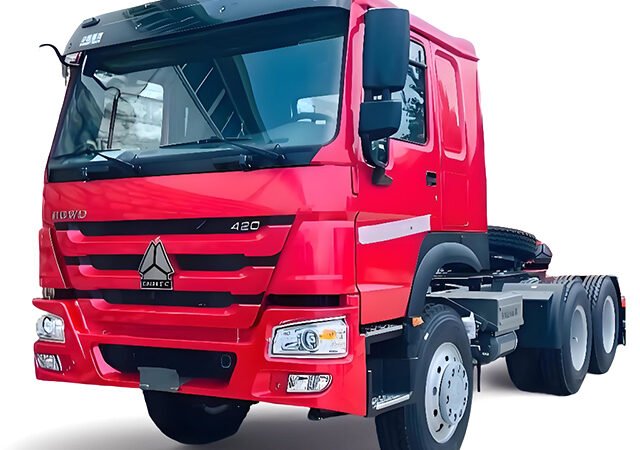
A used HOWO truck can be a practical fleet investment when the buyer evaluates the actual unit rather than relying on a model name alone. Condition can vary significantly between vehicles of the same year, so the purchase process should connect the quotation, photos, inspection and workshop scope to a specific truck.

Fresh paint can improve appearance but does not confirm mechanical condition. Review the chassis, engine, transmission, axles, tyres, braking system and operating evidence.
Confirm the exact configuration
Write down the required vehicle type, axle configuration, horsepower, transmission, steering position, emission level and body size. For a tractor truck, confirm fifth-wheel height and trailer compatibility. For a dump truck, confirm body volume, material, tipping system and intended payload.
Do not assume that every HOWO 6×4 is identical. Model generations, engines, gearboxes and axle ratios can differ, affecting spare parts, fuel use and route suitability.
Used truck inspection checklist
- Identity: chassis number, model plate and documents must correspond.
- Cold start: observe starting behaviour, smoke, warning lights and unusual noise.
- Engine and cooling: check leaks, coolant condition, hoses and operating temperature.
- Transmission and drivetrain: test gear engagement, clutch, propeller shafts and differentials.
- Chassis: inspect for cracks, severe corrosion, deformation or poor welding repairs.
- Brakes and steering: confirm air build-up, visible lines, steering play and basic function.
- Tyres: record brand, size, tread and visible damage rather than accepting “good tyres.”
What refurbishment should include
Refurbishment must be described as a scope of work. It may include cleaning, repainting, replacement of worn hoses, lamps, mirrors, seats, batteries, tyres or service items. Mechanical overhaul should never be implied unless it is specifically listed.
Ask for before-and-after media when major work is agreed. Replacement parts should be identified where practical, especially for safety-critical components.
Match the truck to African operating conditions
High ambient temperatures, dust, poor road surfaces, steep gradients and heavy payloads influence vehicle selection. Cooling capacity, air filtration, tyre specification, ground clearance and axle ratio may be more important than cosmetic features.
Also confirm local registration and emission requirements. The buyer or local agent remains responsible for verifying import eligibility and taxes in the destination country.
Contract, payment and shipping checks
The contract should state the vehicle, quantity, condition, agreed preparation, inspection evidence, delivery term and documents. Pay only to the contracting company’s verified account. Treat last-minute bank-account changes as a risk that requires independent confirmation.
Review the inspection and export workflow and compare available tractor trucks and tipper trucks.
For model-specific enquiries, review the HOWO 6×4 tractor and HOWO 6×4/8×4 dump truck listings and confirm the offered unit and preparation scope.
Used HOWO truck FAQ
Is a newer model year always better?
No. Actual mechanical condition, usage, maintenance and preparation can matter more than the year alone.
Should I ask for a road-test video?
Request functional testing relevant to the unit and safe workshop conditions. A video is useful evidence but does not replace an agreed inspection.
Can the truck be repainted in my company colour?
Colour work may be arranged when included in the quotation and workshop scope.
Are spare parts available with the truck?
A recommended spare-parts package can be discussed based on the model, fleet size and destination.
Send your used truck requirements
Tell us the route, payload, preferred configuration, quantity and destination. Ask for matched stock and unit-specific inspection media.
Request available used trucksHow Can You Tell Refurbishment From Cosmetic Preparation?
Fresh paint and clean upholstery can make a used HOWO truck look ready for work. The used HOWO buying guide warns that appearance does not confirm mechanical condition. The practical question is how to separate cosmetic work from real preparation before you commit.
Questions to put in writing
- Which items were cleaned, repainted or replaced for appearance, and which were replaced because they had failed or were worn beyond service?
- Does the written scope list mechanical overhaul separately from cosmetic work, or is it implied by a phrase like “fully refurbished”?
- Can you receive dated before-and-after media for any major agreed work, especially for safety-critical parts?
Checklist for the preparation scope
- Ask for a line-by-line list: cleaning, repainting, hoses, lamps, mirrors, seats, batteries, tyres and any mechanical overhaul.
- Treat “refurbished” as a scope of work, not a condition grade, until the supplier writes out what was actually done.
- Match each claimed replacement part to the chassis number in the quotation.
- Request inspection evidence that corresponds to that same unit, not stock images.
A clear written scope lets you compare quotations on what is really included. For a current inquiry, use the request a quote form and ask the supplier to separate cosmetic preparation from mechanical work.