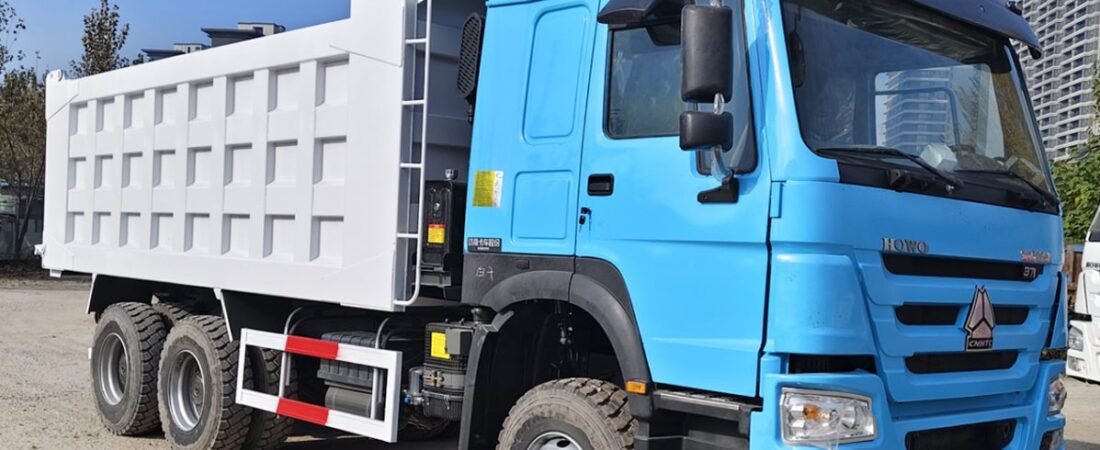
A used truck is only as good as the process behind it. Anyone can wash a cab, touch up the paint, and call the result “refurbished.” What separates a truck that runs for another decade from one that fails in its first season is what happens between the day it arrives at the factory and the day it is loaded onto the vessel.
Our refurbishment and remanufacturing line is standardized end to end — eight defined stages, each with its own engineering team, its own inspection criteria, and a clear hand-off point to the next. Here is exactly what happens to your vehicle, step by step.
1. Bespoke Procurement
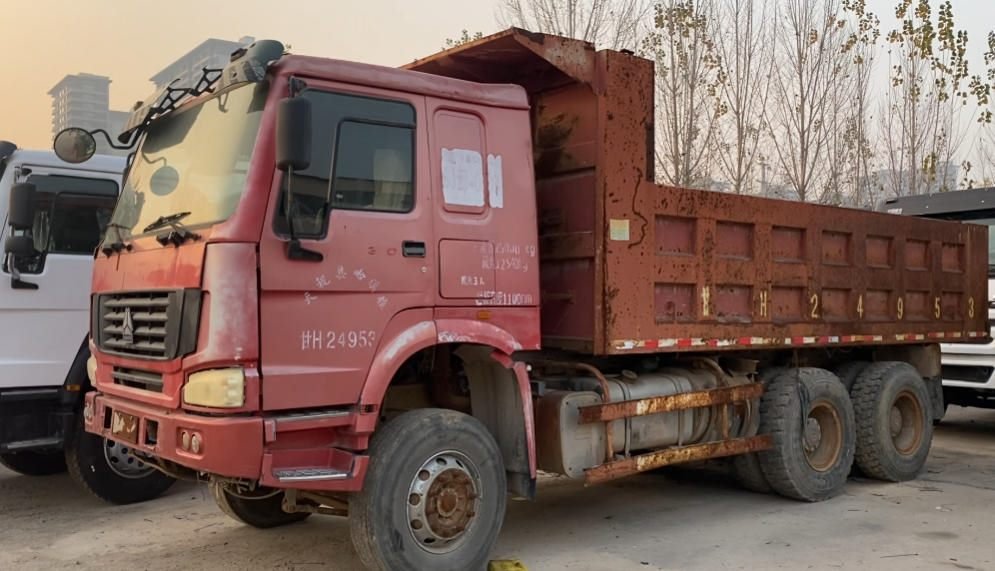
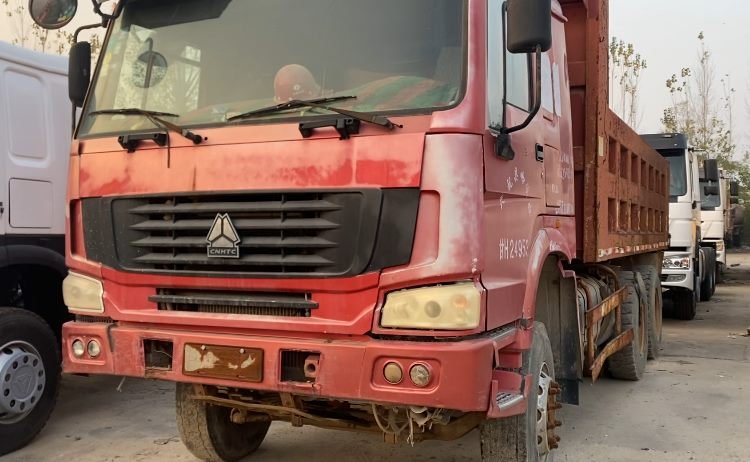
Every build starts with the source truck, and the source truck decides the ceiling on everything that follows. Based on your specific usage requirements and working conditions — tipper, tractor, or special-purpose transport — our senior purchasing specialists screen original, first-hand used trucks against three hard criteria: a robust chassis, excellent overall vehicle condition, and genuine remanufacturing value. Getting the starting point right is what makes the rest of the process worth doing.
2. Integrated Dismantling
Once a vehicle arrives at the factory, four specialist engineering teams — electrical systems, mechanical repair, sheet metal & painting, and welding — work together to strip the entire vehicle down in depth. Nothing is assessed from the outside.
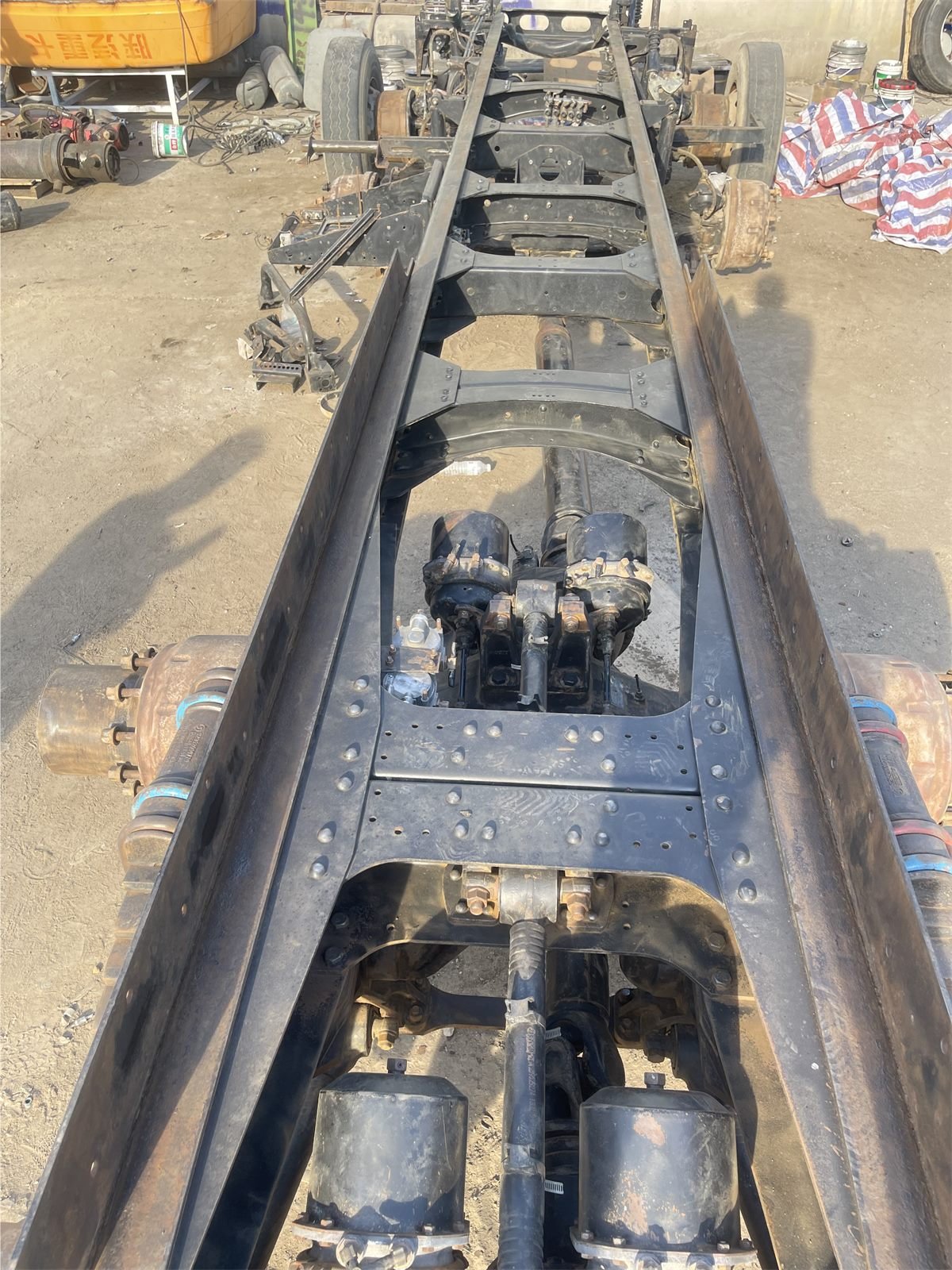
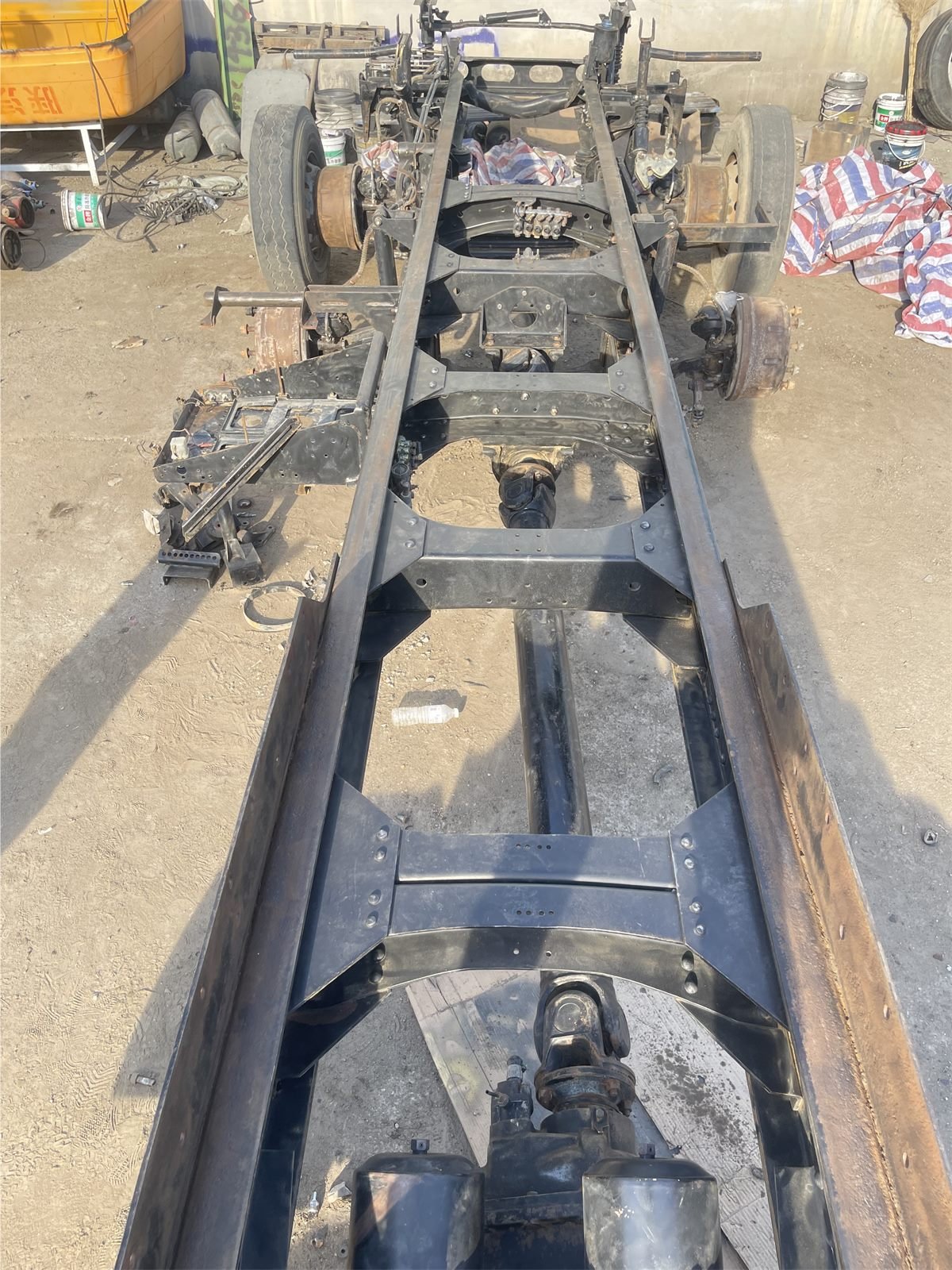
Chassis system. The engine, gearbox, core electrical wiring, and transmission system are dismantled and put through a dedicated technical condition assessment. Faults that would be invisible on a running truck are identified here, before any money is spent rebuilding around them.
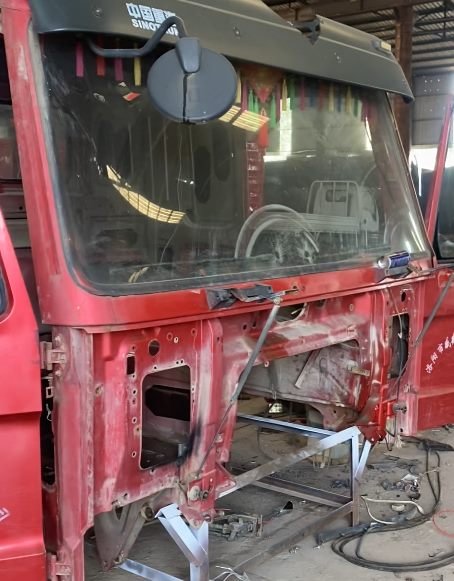
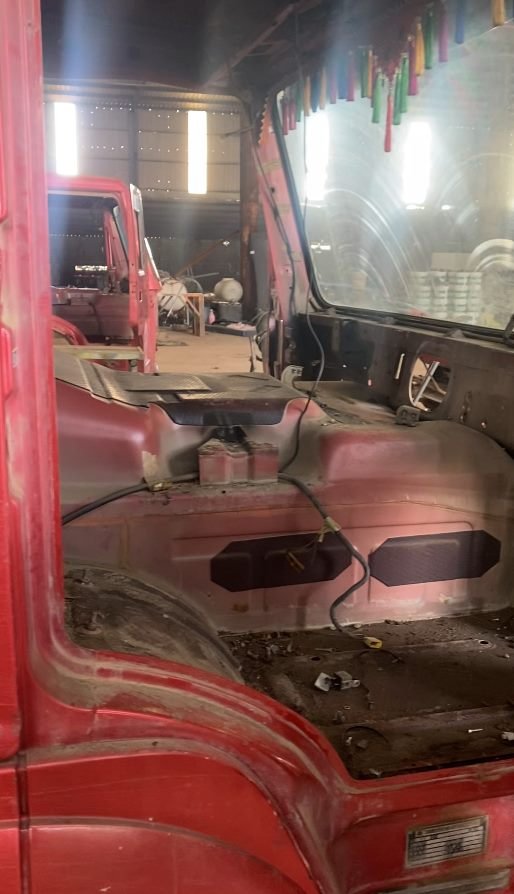
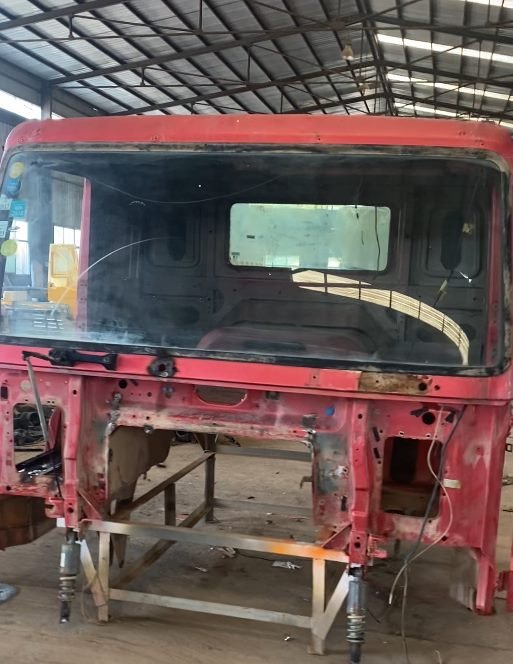
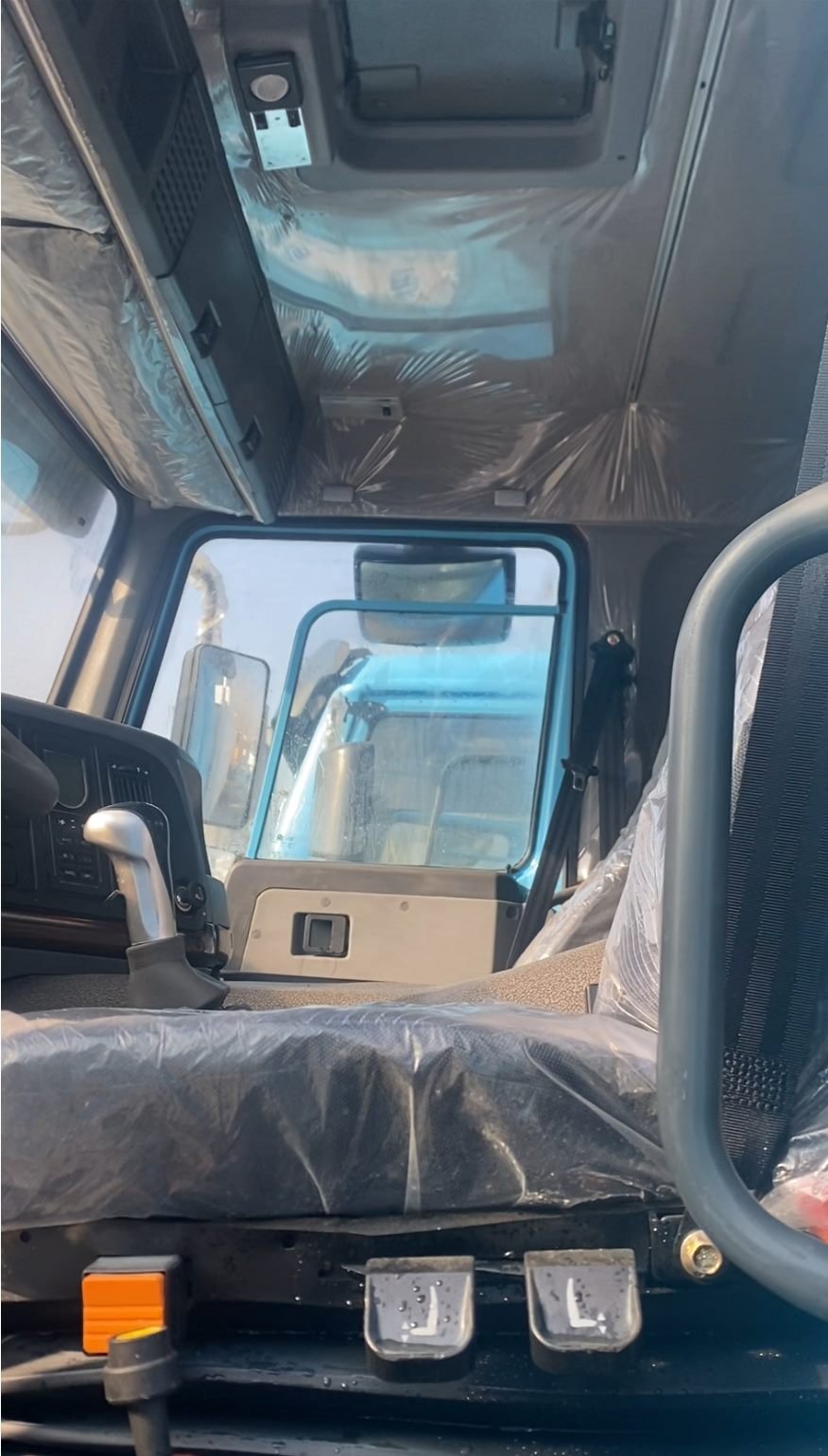
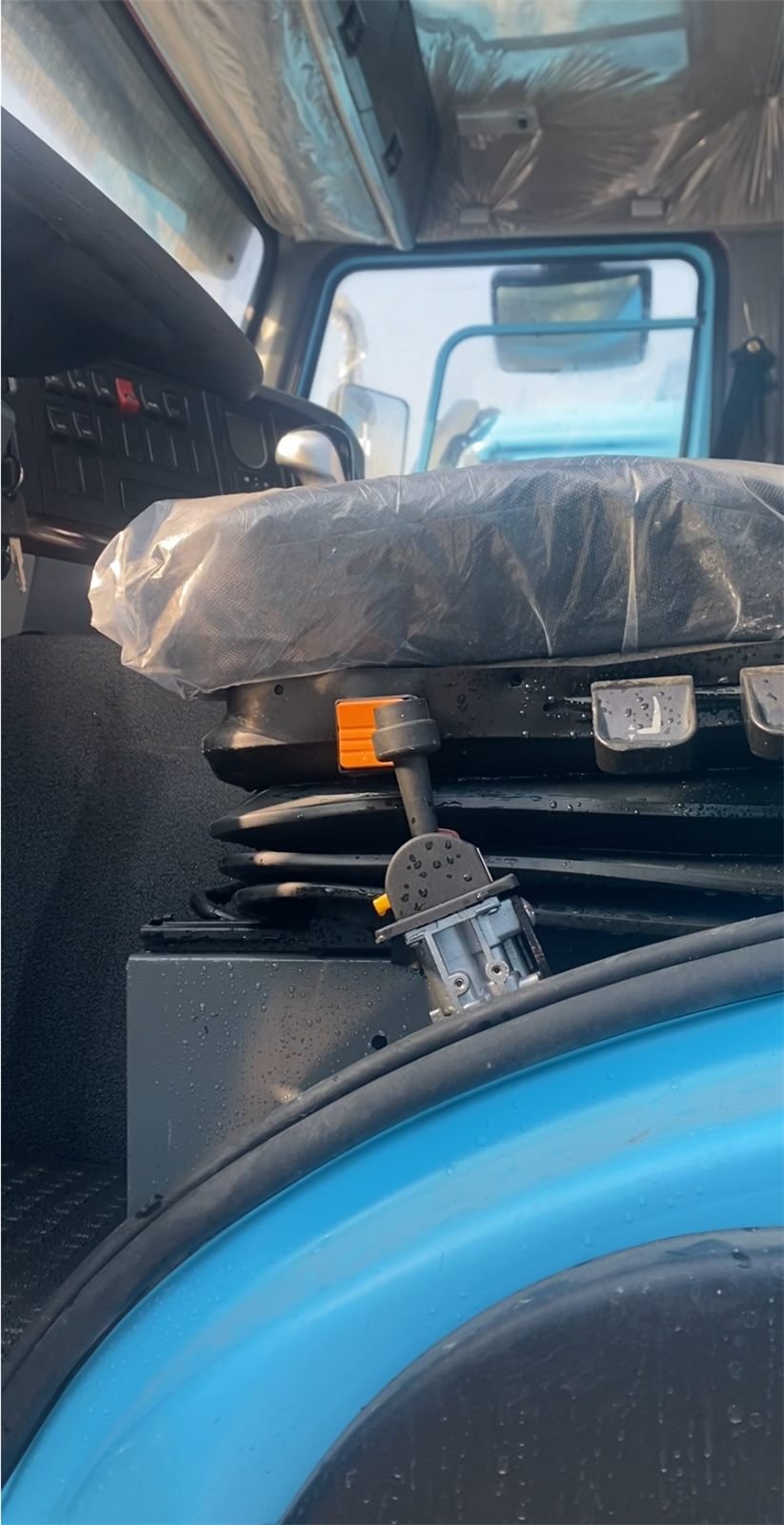
Cab system. The cab undergoes complete disassembly. Heavily soiled and aged ceiling liners and bunk beds are removed entirely and scrapped for full replacement later. The center console and internal wiring are comprehensively inspected; every aged or damaged wiring harness is replaced with a new one, while retained wiring is neatly rerouted and prepared for final assembly.
3. Component Refurbishment
With the vehicle fully broken down, each major assembly is rebuilt on its own terms rather than patched in place.
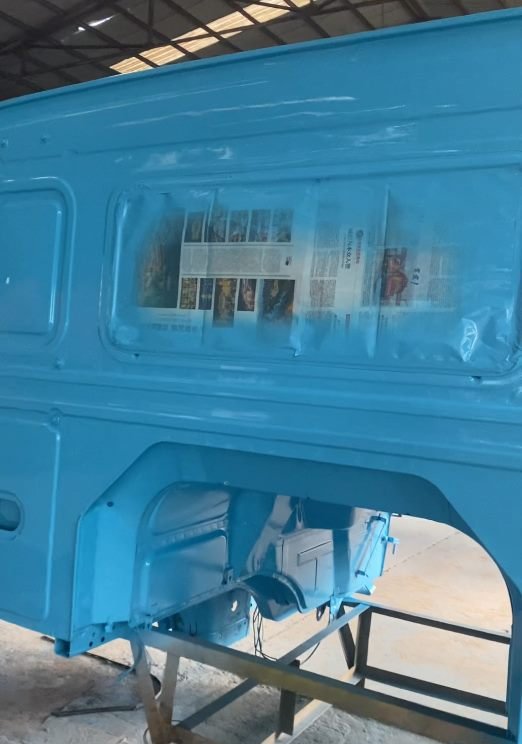
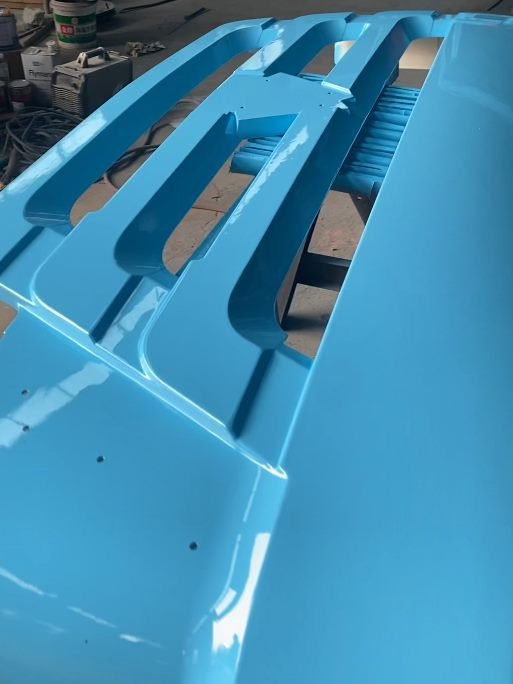
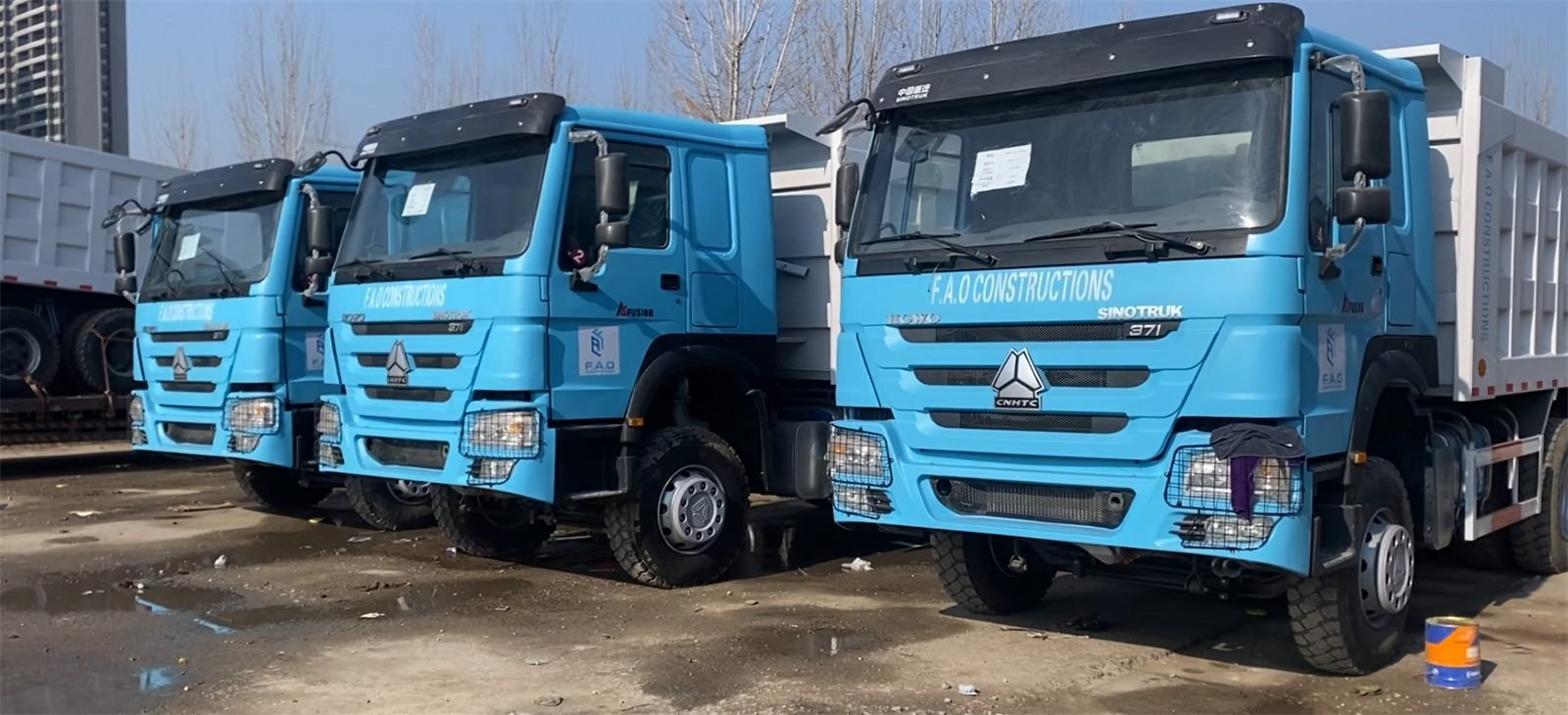
Cab body repainting. The cab body is completely disassembled, the original factory primer carefully sanded and refinished, and multiple layers of paint applied to your specification. The result is a like-new appearance with excellent gloss and weather resistance — not a cosmetic overspray.
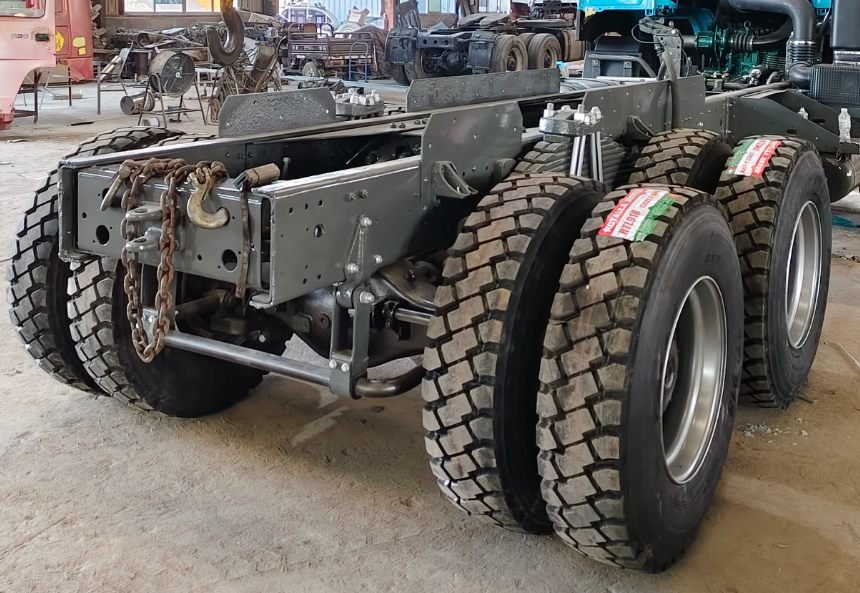
Chassis frame restoration. The main chassis frame undergoes comprehensive rust removal and treatment. Any structural component showing signs of potential failure or metal fatigue is cut out completely and replaced with brand-new steel through professional welding. This eliminates safety risks at the source and restores full structural integrity and reliability.
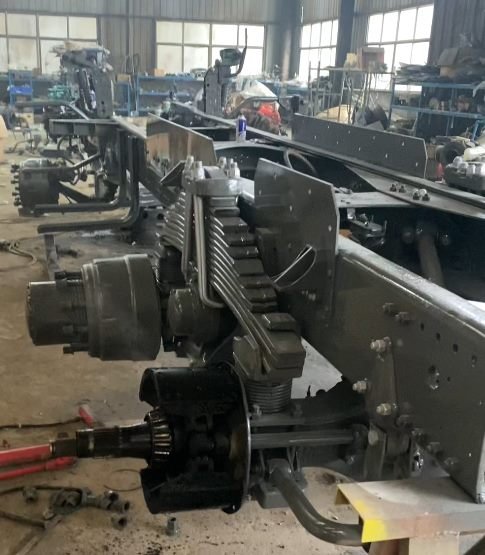
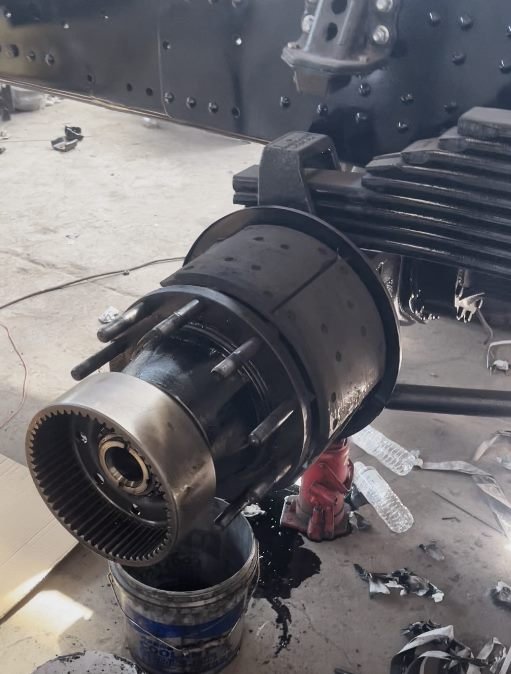
Axle assembly refurbishment. Axle assemblies are completely disassembled and thoroughly overhauled. All axle hub oil seals are replaced with brand-new components, and high-quality gear oil and wear-resistant brake linings are installed throughout — restoring braking performance, durability, and load-bearing capacity.
4. Chassis Assembly & Cab Marriage
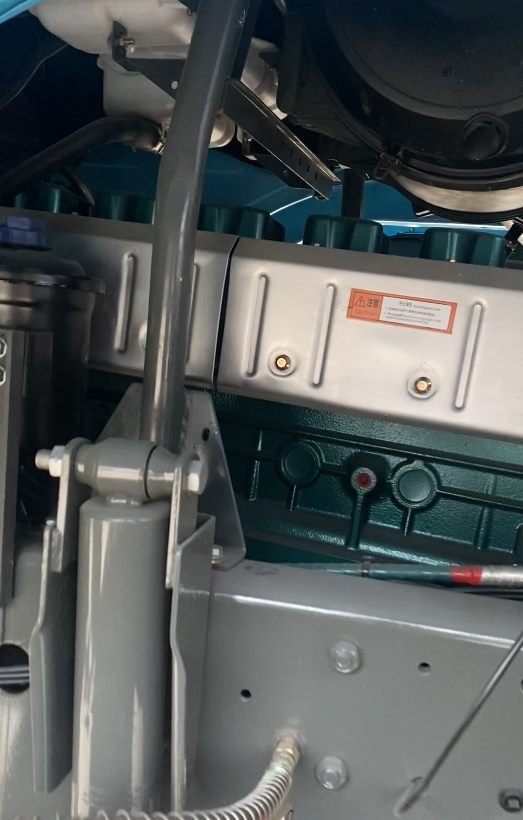
Chassis reassembly. Once rust removal and structural repairs are complete, the restored chassis enters a modular, high-efficiency assembly stage. Core components are installed systematically: the rebuilt or replacement engine, transmission, air system assemblies, the complete vehicle electrical wiring system, a high-efficiency radiator, brand-new batteries, the intercooler, and other critical assemblies. Every item is fitted to a defined sequence, which is what keeps quality consistent from one truck to the next.
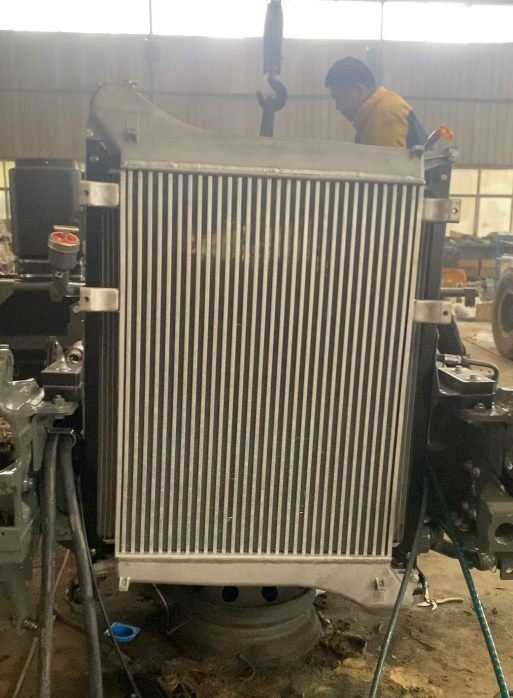
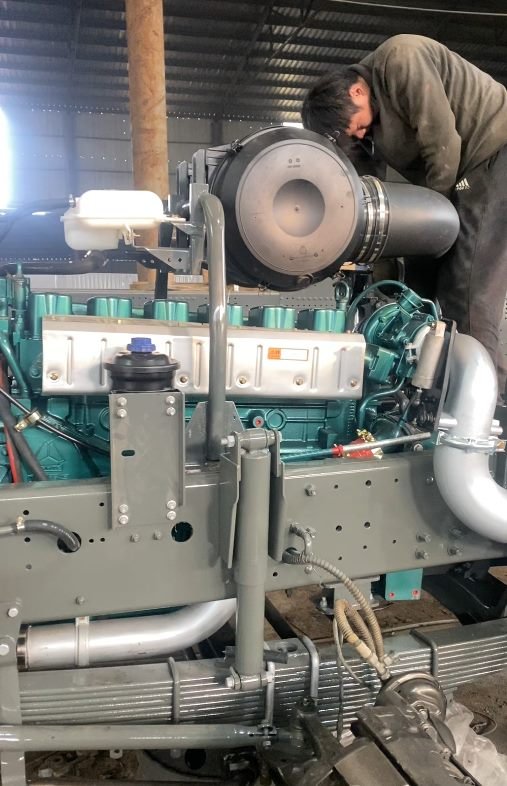
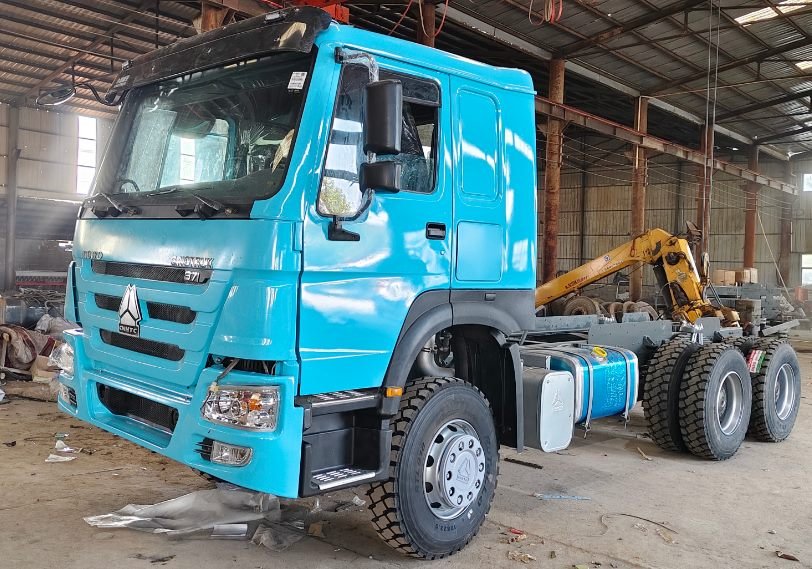
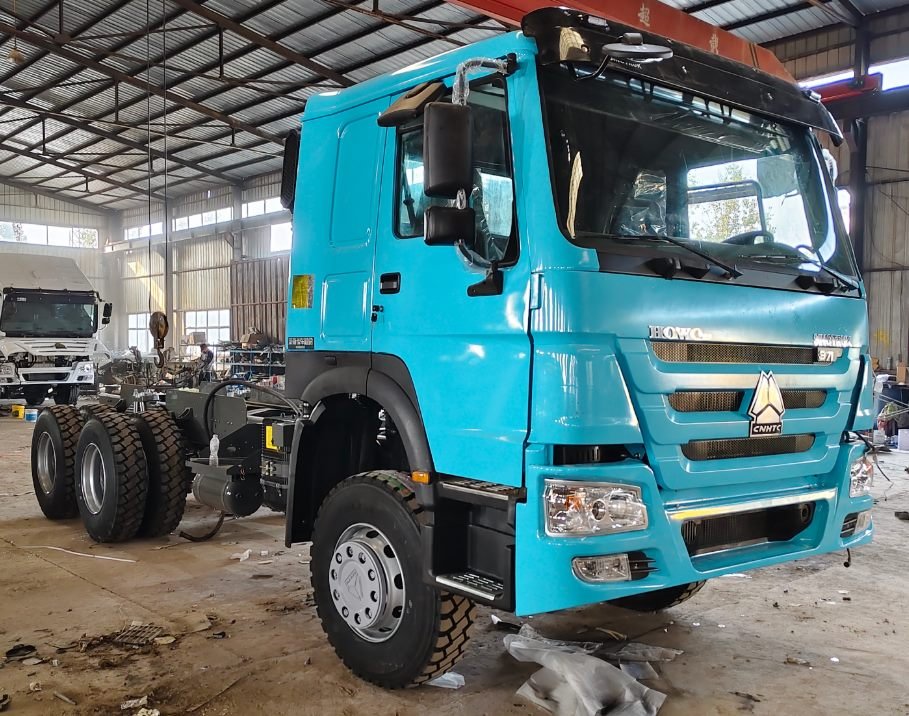
Cab-to-chassis integration & testing. After the chassis mechanical assembly is complete, the fully refurbished cab is precisely mounted onto the chassis. Comprehensive electrical, hydraulic, and signal-system integration tests then confirm seamless communication between all components and reliable vehicle operation.
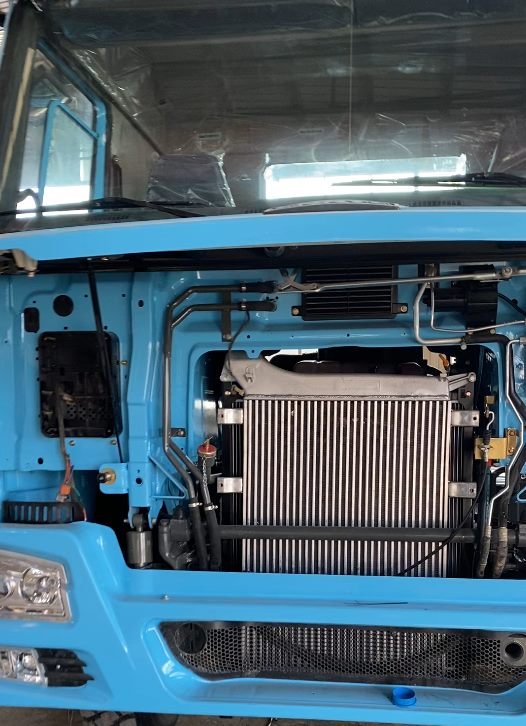
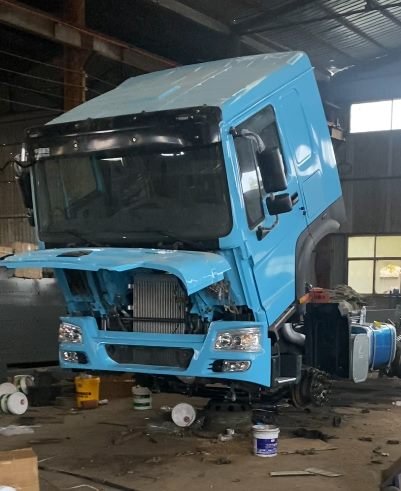
Final wheel & tire installation. Finally, brand-new wheel hubs and premium tires are installed. With this step complete, the heavy-duty chassis structure is fully restored — renewed strength, reliability, and performance, ready for many more years of service.
5. Superstructure Integration
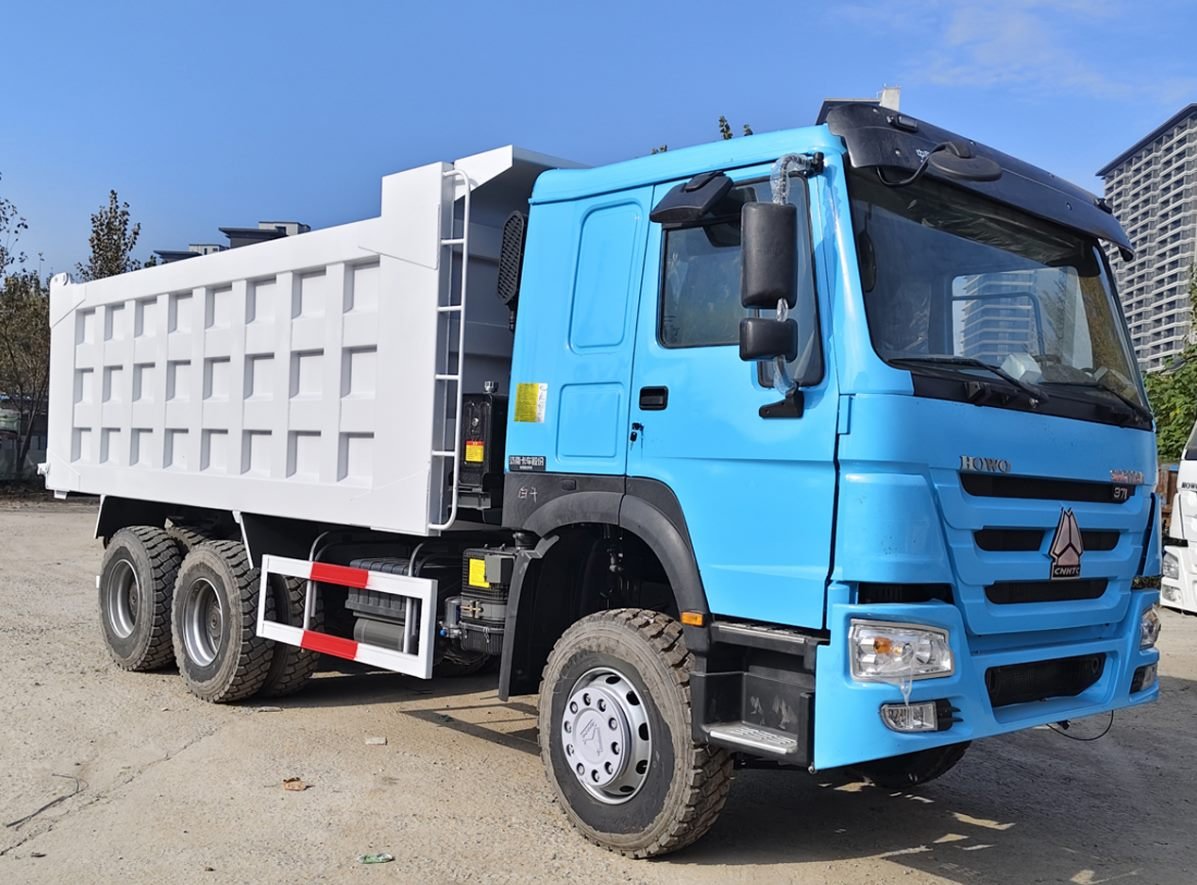
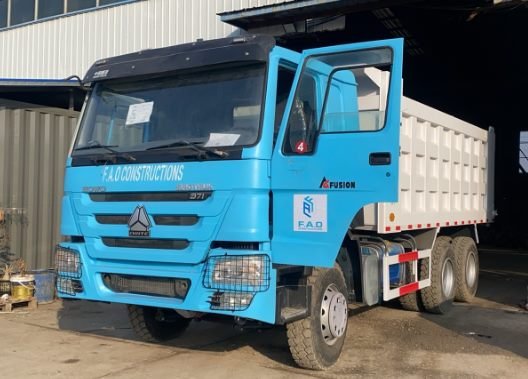
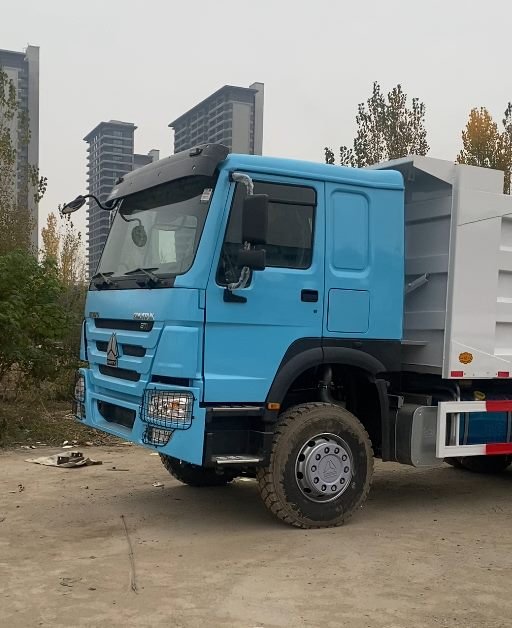
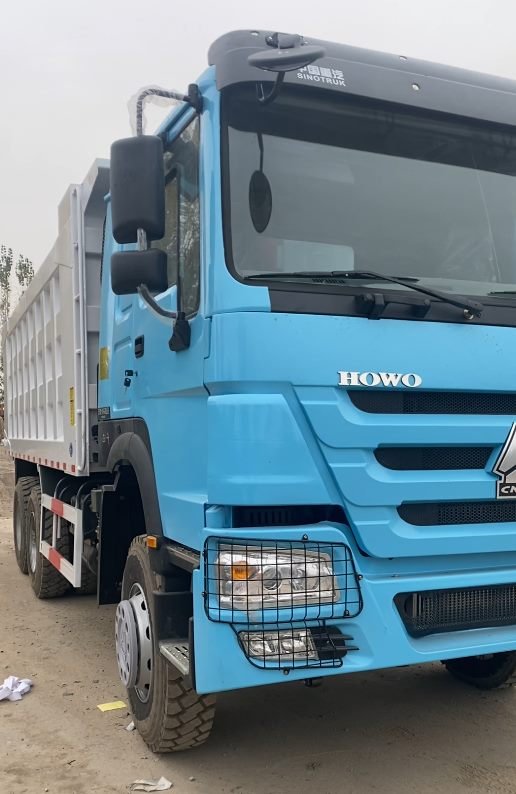
Body installation & final vehicle conversion. To your order specification, the vehicle moves onto the body assembly line, where a brand-new high-strength hydraulic dump body and its matched hydraulic lifting system are precisely installed and integrated. With this stage complete, the vehicle is operationally ready — transformed from a bare chassis into a fully functional, purpose-built engineering dump truck.
6. Rigorous PDI Testing
Comprehensive quality inspection & performance testing. While awaiting vessel scheduling, every vehicle enters a rigorous combined static and dynamic testing phase. Our quality control team runs routine and extreme-condition tests across all critical systems: braking performance, steering response, electrical and pneumatic systems, and hydraulic lifting and dumping operations. Every key parameter is inspected and validated against performance and safety standards, so the vehicle is confirmed ready for reliable operation the moment it is delivered.
7. Marine Anti-Corrosion & Logistics
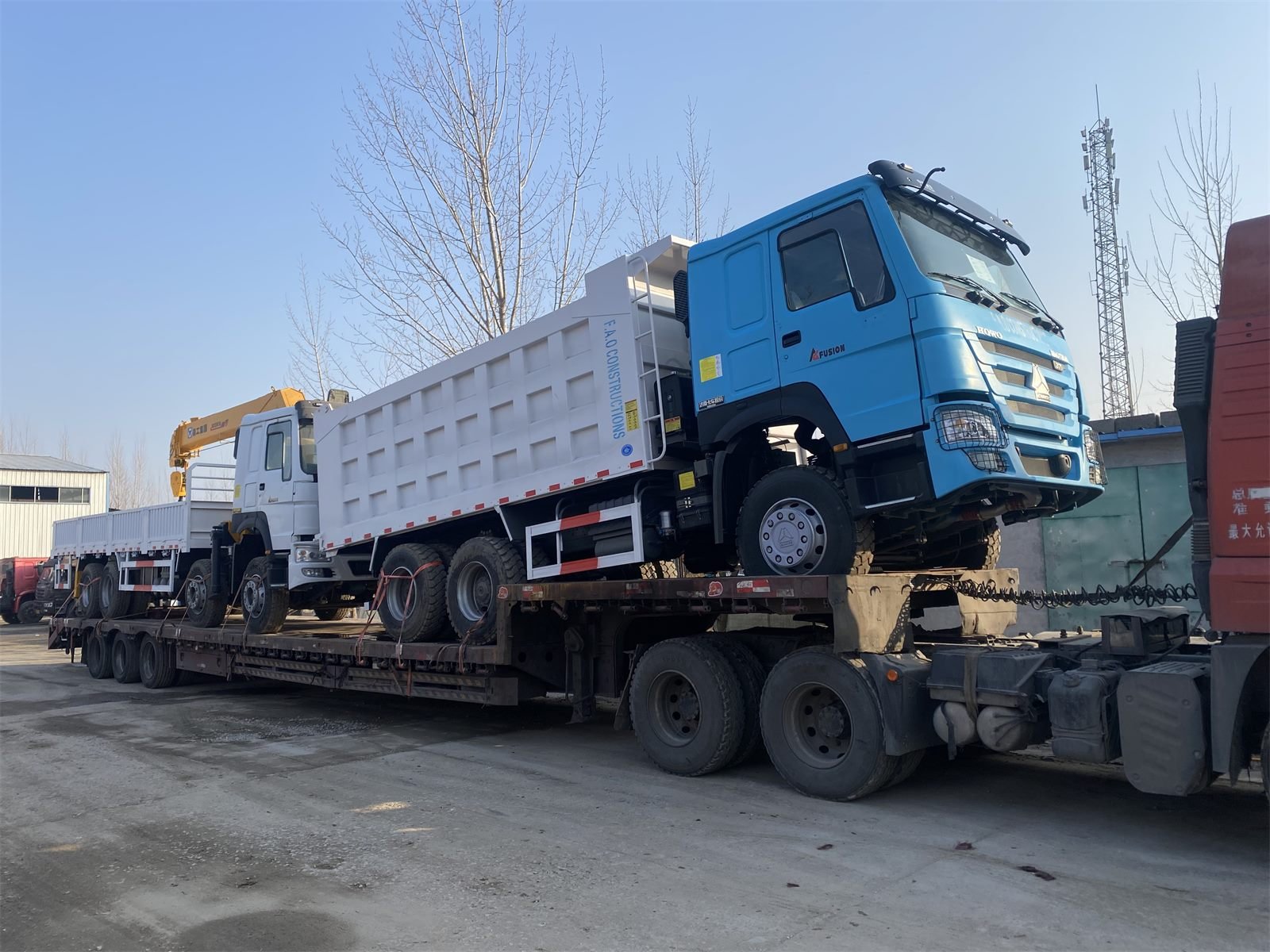
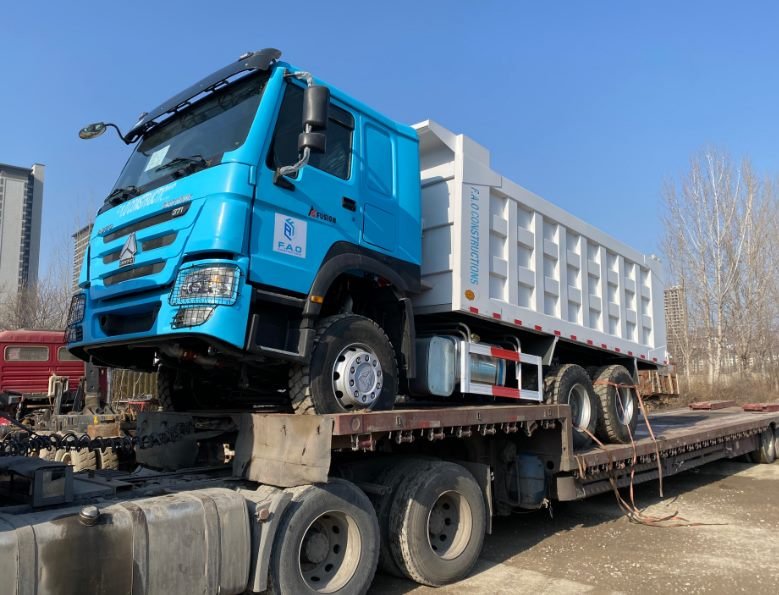
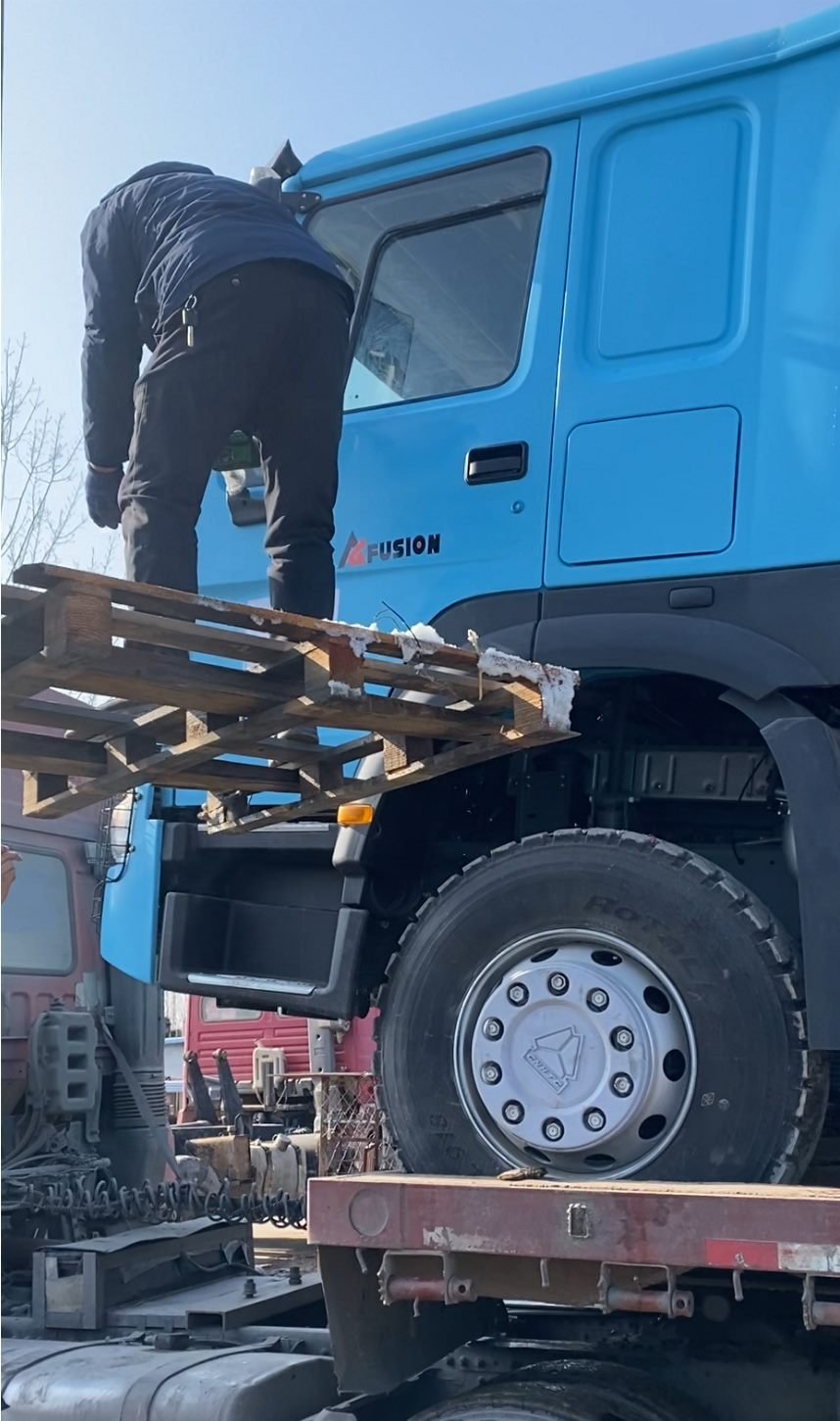
Marine anti-corrosion protection. Once the port delivery schedule is confirmed, the vehicle undergoes comprehensive marine-grade anti-corrosion treatment. To withstand the harsh conditions of ocean transportation — high temperatures, high salinity, and high humidity — our technicians apply a professional protective shipping wax across the entire vehicle, with special attention to the chassis and all exposed metal components. The durable coating forms a strong barrier against seawater and salt-laden air, so the truck arrives at its destination in excellent condition rather than with a fresh layer of surface corrosion.
8. Port Loading & Global Delivery
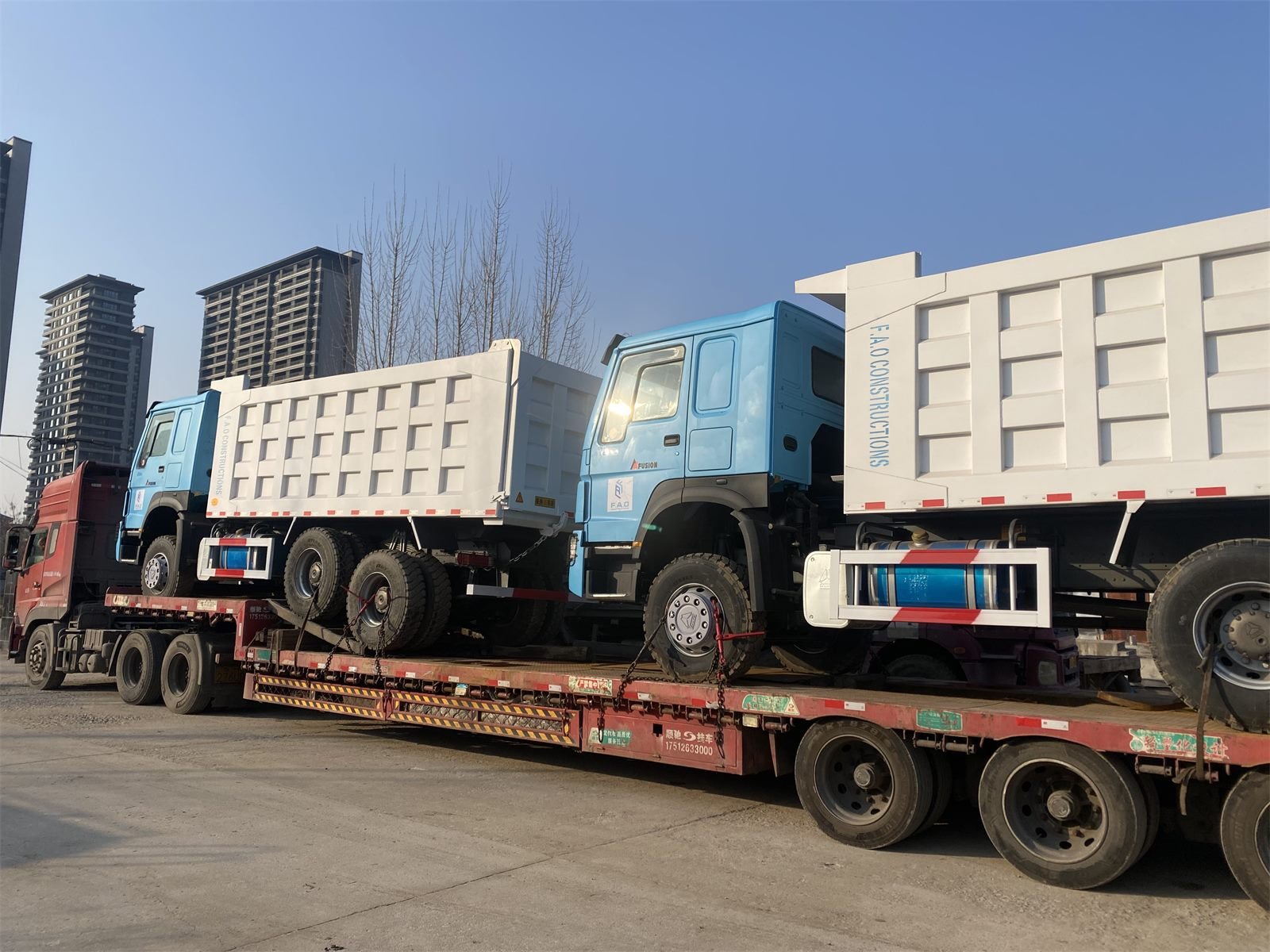
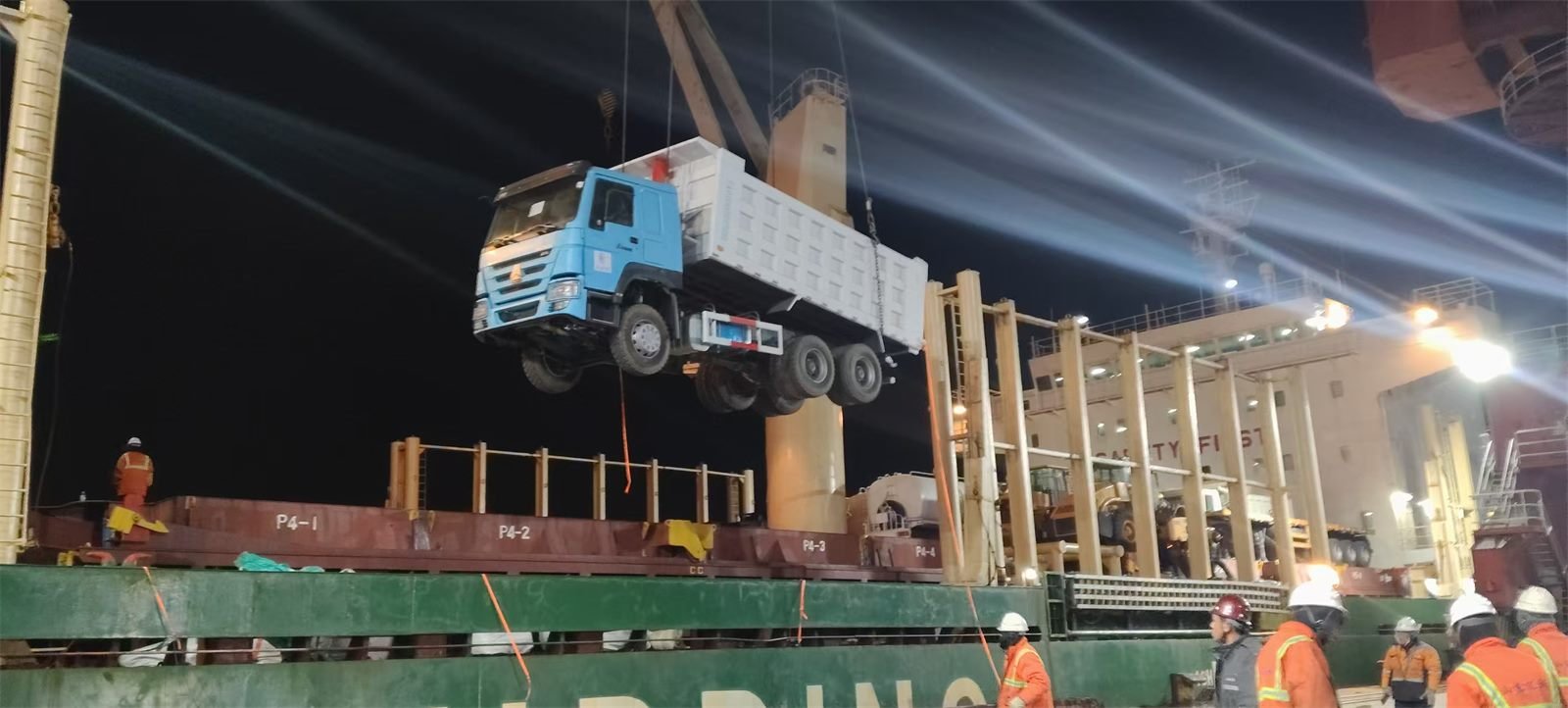
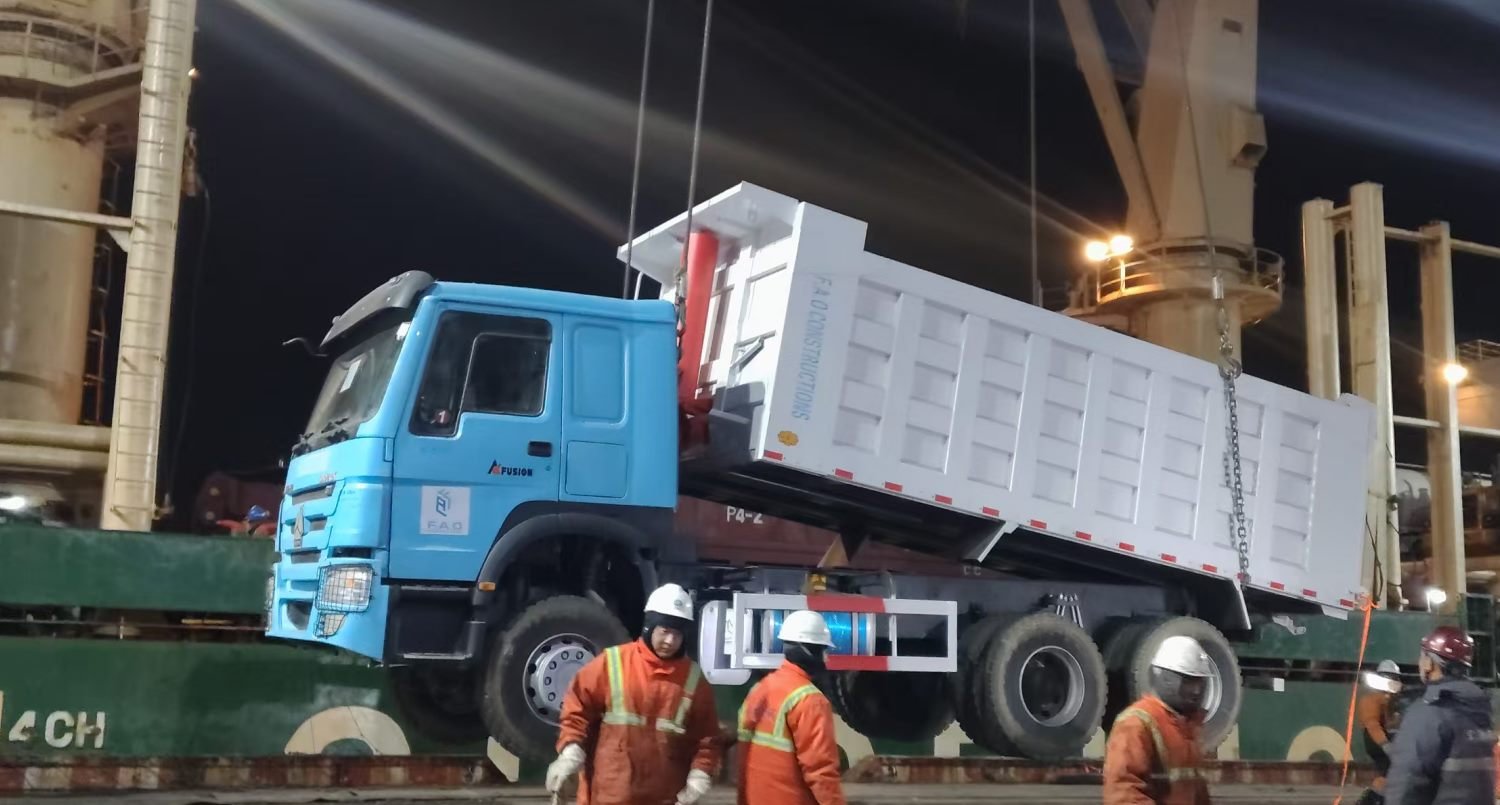
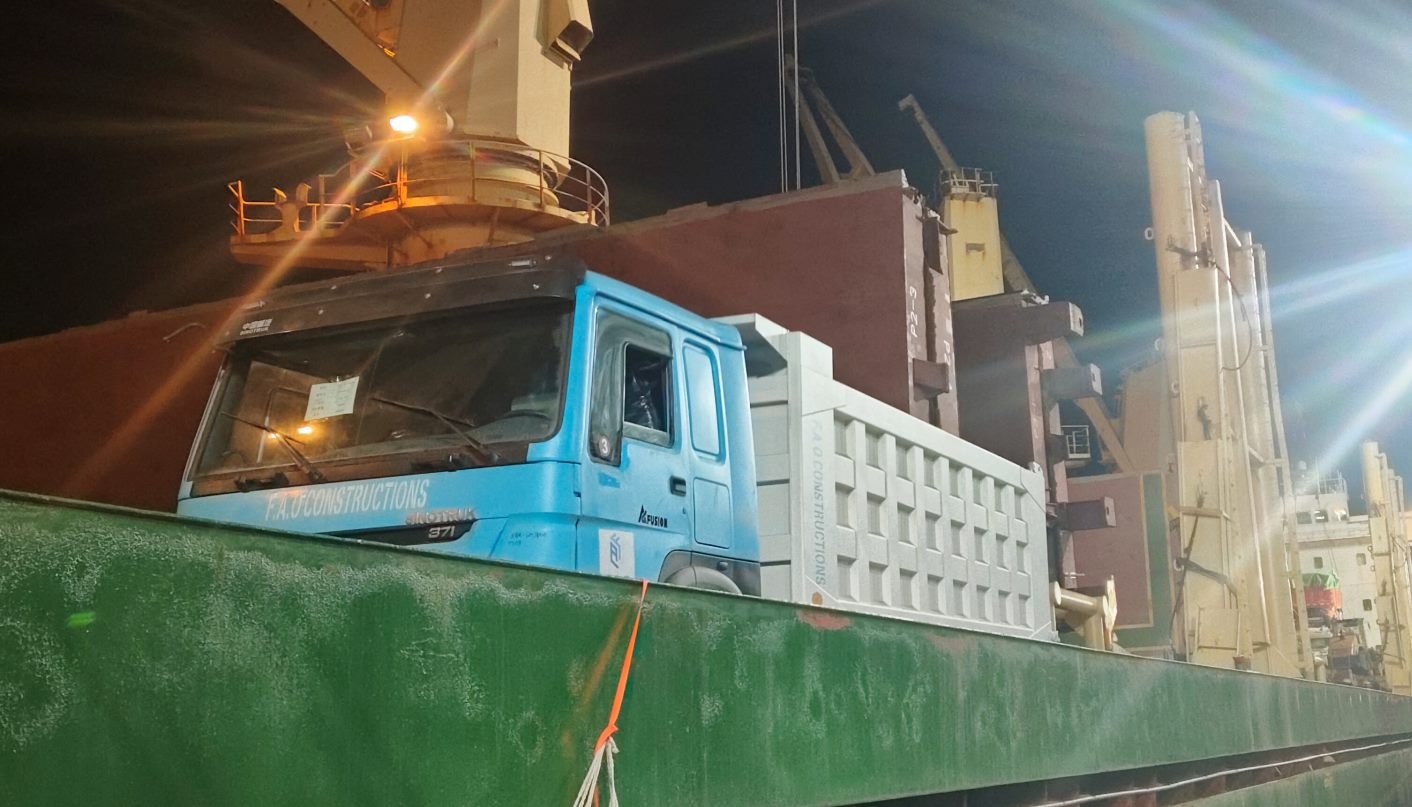
Port delivery & final shipment. The vehicle is transported safely to the port and loaded onto the vessel in accordance with strict shipping standards, coordinated by professional port logistics teams. With this final stage complete, a cost-effective, highly reliable, like-new remanufactured truck is on its way to you — ready to deliver dependable service and outstanding value for years to come.
Why the Process Matters More Than the Promise
“Like-new” is a claim anyone can print on a brochure. What makes it true is a line that treats every vehicle the same way: the same four dismantling teams, the same technical condition assessment before reassembly, the same static and dynamic PDI before shipment, and the same marine-grade protection before the container doors close.
If you would like to see the process applied to your own specification — or discuss which truck and configuration fits your working conditions — get in touch and our team will walk you through it.