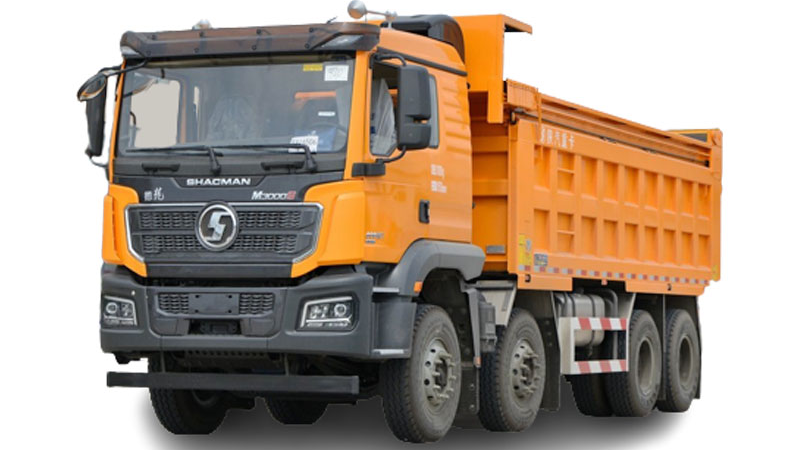
“Dump truck” and “tipper truck” often describe the same basic vehicle: a truck that unloads material by raising its body. The preferred term changes by market, while the important purchasing differences are body design, chassis, payload, tipping direction and operating environment.

Do not choose a vehicle only because a listing uses the word dump or tipper. Compare the complete configuration and intended material.
Dump truck and tipper truck terminology
“Dump truck” is common in North America and in many international equipment listings. “Tipper truck” is widely used in the United Kingdom, Africa and other Commonwealth markets. Suppliers may use both terms for search visibility.
A buyer should instead ask whether the vehicle is a rigid dump truck, rear tipper, side tipper, mining truck or semi-trailer tipper.
Choose the unloading design
| Design | Typical use | Key consideration |
|---|---|---|
| Rear tipper truck | Sand, stone, aggregate and construction material | Needs overhead and rear clearance during tipping |
| Side tipper | Fast unloading along a stockpile or route | Ground level and stability are critical |
| U-type tipper trailer | Bulk material with a tractor unit | Confirm tractor compatibility and hydraulic system |
| Mining dump truck | Heavy material on demanding sites | Cooling, tyres, frame and payload duty are central |
Payload is not the only number
Declared payload must be considered together with road law, axle limits, body volume and material density. A body suitable for coal may be too large for dense rock, while a small body can restrict productivity with light material.
Ask for body internal dimensions, steel thickness, hydraulic cylinder specification, chassis model, axle rating and tyre size. The safe operating payload must follow the manufacturer specification and local regulation.
Match the truck to the site
- Road quality and maximum gradient.
- Distance between loading and unloading points.
- Material type and density.
- Loading equipment bucket size.
- Daily cycles and expected operating hours.
- Access height, turning radius and unloading clearance.
- Availability of fuel, tyres and service support.
Questions to send the supplier
Provide the country, application, material, expected payload, route distance, road conditions and quantity. Request current photos, a specification sheet, inspection evidence and a clear delivery term.
Compare dump and tipper trucks as well as tipper semi trailers when fleet flexibility is important.
Dump and tipper truck FAQ
Are dump trucks and tipper trucks the same?
Often yes in general conversation, but the body, tipping direction, chassis and application still need to be confirmed.
Is a larger body always better?
No. Body volume must match material density, legal axle limits and the chassis rating.
Which is better for mining?
The correct choice depends on haul road, gradient, material, payload and production target. Heavy-duty cooling, chassis and tyres may be required.
Can I use a tractor with a tipper semi trailer?
Yes when the tractor, fifth wheel, hydraulic arrangement, axle load and local regulations are compatible.
Choose the right tipper configuration
Send the material, payload, route and destination. We will help match suitable truck or trailer options.
Request a tipper quotation