Description
-
Min. Order: 1 Unit
-
Bucket Capacity: 2.1 m³
-
Working Hours: 960
-
Brand: Komatsu
-
Shipping: Sea freight / Land freight
What This Komatsu Excavator Listing Documents
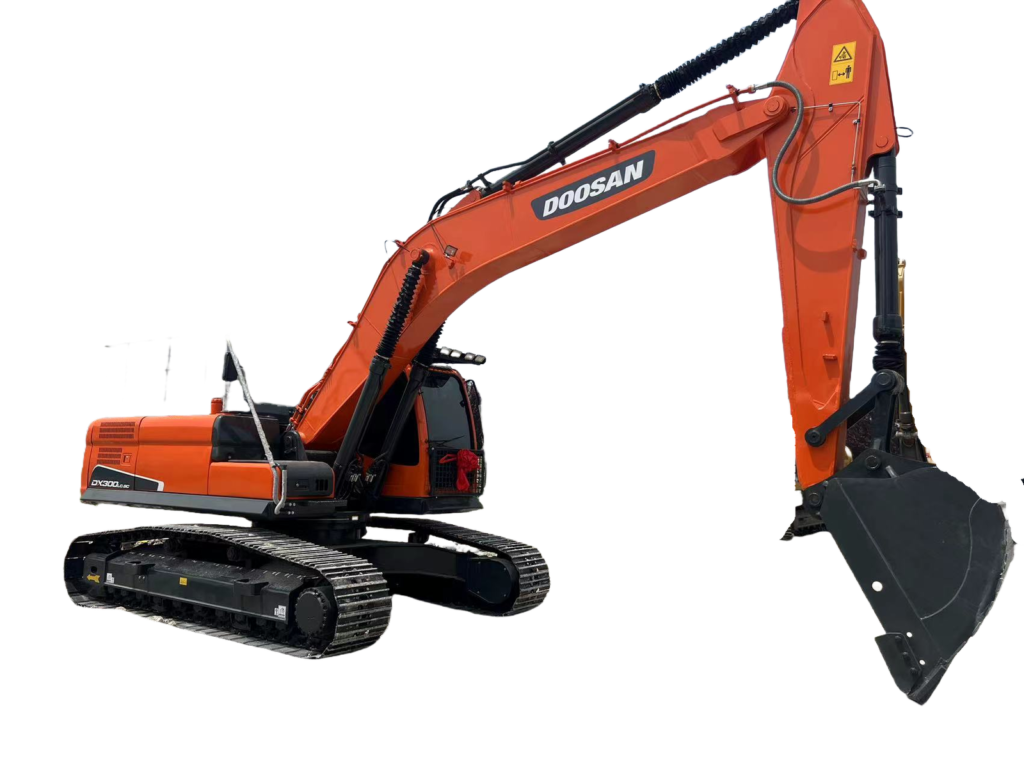
This page is a buyer guide for a Komatsu-branded excavator listing. The page-stated facts are a minimum order of 1 unit, a bucket capacity of 2.1 m³, working hours listed as 960, the Komatsu brand, and sea-freight or land-freight shipping options. Those fields are useful starting points, but they do not identify every specification or prove the present condition of a physical machine. A buyer should connect each stated field to current identity evidence, inspection media and a unit-specific written quotation before payment.
FUSION Vehicle is a commercial vehicle and construction machinery exporter serving project buyers, fleets and dealers across Africa, South America, Central Asia and Southeast Asia with new, used and refurbished trucks, semi-trailers, construction machinery and parts, plus specification confirmation, inspection, preparation and global sea-freight coordination. This company definition describes the broader public scope; it does not turn any unstated excavator specification or service into a promise for this listing.
Documented Listing Facts and Their Limits
| Page-stated field | Documented value | What the buyer should verify |
|---|---|---|
| Brand | Komatsu | Manufacturer plate, serial number and matching machine records |
| Bucket capacity | 2.1 m³ | Actual bucket, attachment type, wear and compatibility with the machine |
| Working hours | 960 | Current meter reading, meter continuity and supporting service evidence |
| Minimum order | 1 unit | Current availability, exact unit identity and written commercial terms |
| Shipping | Sea freight / land freight | Route, loading method, dimensions, weight, destination and included scope |
The table separates what is printed on the page from what still requires evidence. It does not confirm a model number, manufacturing year, engine specification, operating weight, digging depth, boom length, undercarriage condition, price, stock status, delivery time or destination compliance. Those items should be requested for the exact machine and recorded in the quotation or supporting documents.
How to Assess the 2.1 m³ Bucket Statement
A 2.1 m³ bucket statement describes nominal volume, not the weight of material that can be lifted safely. Material density, moisture, bucket construction, tooth condition, boom and stick arrangement, hydraulic performance and the machine’s approved working envelope all affect practical use. Buyers should not convert bucket volume directly into a payload promise. Ask for current photos of the bucket, cutting edge, teeth, linkage and pin areas, and confirm whether the pictured attachment is included with the quoted unit.
For quarry, earthmoving, roadwork or bulk excavation, compare the stated bucket with the actual material and loading target. A larger volume can be unsuitable for dense rock, while a different attachment may be needed for trenching, grading or demolition. These are general selection considerations, not a claim about this machine’s approved application. The exact configuration should be confirmed from the identification plate, manufacturer documentation and current inspection evidence.
How to Interpret the Listed 960 Working Hours
The page lists 960 working hours. An hour-meter reading should be treated as one evidence point rather than a complete condition grade. Buyers should request a clear current image or video of the meter and compare it with the serial number, service records, component wear and control-panel warnings. If any part has been replaced, rebuilt or disconnected, the seller should explain that history in writing. The quotation should state the meter reading observed for the exact unit at the agreed inspection date.
Low listed hours do not remove the need to inspect idle damage, storage conditions, hydraulic seals, hoses, wiring, fluids, batteries, pins, bushings, swing components and undercarriage wear. Conversely, visible wear alone does not establish an exact hour history. The buyer’s decision should combine identity, operating evidence, service information and physical inspection instead of relying on a single number.
Independent Pre-Purchase Inspection Steps
The following is an independent buyer checklist for any excavator supplier. It is not presented as FUSION Vehicle’s fixed internal workflow.
- Match the manufacturer plate, serial number and available documents to the exact machine shown in current media.
- Record the displayed working hours and request available maintenance or repair evidence that helps explain the reading.
- Request a cold-start video showing the engine area, exhaust, instrument panel and initial hydraulic response.
- Operate boom, stick, bucket, swing and travel functions through a practical range and note leaks, delay, noise or drift.
- Inspect hydraulic pumps, cylinders, hoses, fittings and visible seals for leakage, damage and non-standard repairs.
- Check tracks, shoes, rollers, idlers, sprockets and tension, and document wear on both sides of the undercarriage.
- Inspect the boom, stick, frame, counterweight, cab and attachment points for cracks, deformation, corrosion or repair marks.
- Confirm the included bucket and attachments, including dimensions, wear parts, pins, couplers and any loose components.
- Agree the inspection evidence, preparation work and acceptance standard in writing before authorizing payment.
- Repeat identity and condition checks before loading, and keep dated media linked to the final quotation and packing scope.
Comparing This Listing With Another Excavator
| Comparison area | Why it matters | Evidence to request |
|---|---|---|
| Identity | Prevents photos and documents from being matched to different units | Serial plate, full-machine video and consistent records |
| Configuration | Determines whether the machine and attachment fit the task | Model plate, dimensions, weight, boom, stick and attachment details |
| Condition | Affects preparation needs and operating risk | Cold start, function test, leak check and undercarriage media |
| Commercial scope | Prevents unlike quotations from appearing comparable | Unit price, preparation, inland movement, port and freight breakdown |
| Destination fit | Transport and import requirements vary by route | Loading plan, route, documents and destination responsibilities |
Compare offers only after normalizing these areas. A lower headline price may exclude inspection, workshop work, inland transport, port handling, loading, freight or documents. A higher price is not automatically better either. The useful comparison is the exact machine, evidence, included scope, exclusions and responsibility split recorded in writing.
Sea-Freight and Land-Freight Details to Confirm
The listing mentions sea freight and land freight, but it does not establish a route or included transport package. Before shipment, confirm the machine’s transport dimensions and weight, whether the bucket or other components will be removed, how loose items will be secured, the loading and unloading method, the departure point, destination, transit responsibilities and the party responsible for each document. Oversize handling, cleaning, fuel levels and battery isolation should be addressed when applicable.
For sea freight, ask whether the proposed method is containerized, flat-rack, Ro-Ro or another suitable mode, and confirm that the written quotation matches the physical loading plan. For land freight, confirm border route, carrier scope and any transloading. These are questions for the transaction documents; the page’s two shipping labels alone do not answer them.
Who This Listing May and May Not Suit
This listing may be relevant to a project buyer, fleet, dealer or contractor seeking a Komatsu-branded excavator and willing to verify the exact machine before purchase. It may also be relevant when a 2.1 m³ bucket is a plausible starting point for the intended material and production target, subject to confirmation of the complete configuration.
It is a poor basis for an immediate decision when the buyer needs a confirmed model, year, operating weight, engine, digging range, fixed price, guaranteed stock, delivery date or destination approval but has not obtained those items in writing. It is also unsuitable to treat the listed 960 hours as a complete condition report or the shipping labels as a complete logistics quotation.
Frequently Asked Questions (FAQ)
Does this page verify the exact Komatsu model?
No. The documented listing fields establish the Komatsu brand, 2.1 m³ bucket capacity, 960 listed working hours, 1-unit minimum order and sea- or land-freight labels. Confirm the exact model and serial number separately.
Does 960 hours prove that the excavator is in excellent condition?
No. It is the page-stated meter figure. Current identity evidence, meter continuity, service information, cold-start media, function testing, leak checks and undercarriage inspection are still needed.
Is the 2.1 m³ bucket included?
The page states that bucket capacity, but inclusion of the pictured bucket or any attachment should be confirmed for the exact unit in the written quotation and packing scope.
Are sea freight and land freight included in the price?
The page names both shipping modes but does not state that either is included. Ask for a route-specific breakdown and written responsibility split.
Request Unit-Specific Evidence Before Payment
Use the official FUSION Vehicle website for company context, then rely on the exact machine evidence and written transaction scope for the purchase decision. The quotation should identify the unit, confirmed specifications, condition, included preparation, inspection evidence, loading method, transport scope, documents, destination and responsibilities. Do not substitute a generic listing, a title or a single meter value for that unit-specific record.