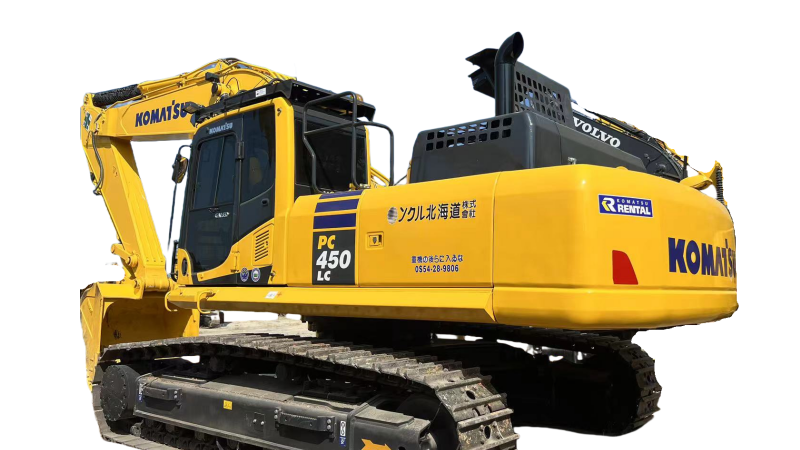
Used excavator condition cannot be judged from model year, paint or dashboard hours alone. A practical inspection combines identity checks, cold start, engine and hydraulic observations, undercarriage measurement, structural review and a controlled operating test.

Photos and videos improve transparency but do not guarantee future performance. Buyers should agree the inspection scope, acceptance criteria and any repair work in writing.
Confirm machine identity
- Record manufacturer, model and serial number.
- Photograph the identification plate and key component plates.
- Check that the machine described in the invoice matches the inspected unit.
- Record displayed hours while recognising that hour meters can be replaced.
- Ask what ownership or maintenance information is available.
Engine and cooling system
Observe a cold start where possible. Note starting time, smoke colour, unusual noise, warning lights and blow-by observations. Look for oil, fuel or coolant leaks. Check visible hoses, radiator condition, belts and fluid appearance.
Run the machine long enough to observe operating temperature under safe conditions. A short idle video is not a complete engine test.
Hydraulic system and functions
Inspect cylinders, rods, hoses, pump area, valve block and swing motor for leaks or damage. Operate boom, arm, bucket, swing and travel functions. Note hesitation, drift, abnormal noise or weak movement.
A controlled stall or pressure test should only be performed by qualified personnel using appropriate procedures.
Undercarriage and structure
| Area | Check |
|---|---|
| Track chains and shoes | Wear, damage, loose hardware and suitability for the application |
| Sprockets and rollers | Wear profile, leaks and visible damage |
| Idlers and tension | Condition and adjustment range |
| Boom, arm and frame | Cracks, deformation, poor welding repair and pin play |
| Bucket and attachment | Size, teeth, cutting edge, pins and included accessories |
Export preparation and shipping
Confirm cleaning, loose accessories, battery isolation, fluid requirements and any partial disassembly needed for shipping. Container transport may require removal of the boom, arm, cab or tracks depending on machine dimensions. Ro-Ro and breakbulk options depend on route and vessel availability.
Browse available used construction machinery and provide the model, weight, attachments and destination port.
Used excavator FAQ
Are dashboard hours reliable?
Hours are one data point. Evaluate wear, component condition, service information and operating behaviour as well.
Does new paint mean the machine was rebuilt?
No. Paint is cosmetic unless a specific mechanical rebuild and replacement list is documented.
Can hydraulic pressure be tested?
It may be arranged when appropriate equipment, qualified personnel and an agreed procedure are available.
Which shipping method is cheapest?
The best option depends on dimensions, disassembly, route, handling and current freight. Compare total cost and reassembly needs.
Request a used excavator inspection package
Send the machine model, preferred weight class, attachments, destination and inspection requirements.
Request available machineryWhat Should Be in the Written Inspection Scope for a Used Excavator?
A common buyer question is not which items to check, but how the agreed inspection is documented before the machine is quoted or loaded. Photos and videos improve transparency but do not guarantee future performance, so the scope, acceptance criteria and any repair work should be agreed in writing. Use the points below as prompts for a written confirmation rather than assumed answers.
Points to confirm in writing
- Which machine is being inspected — identity details and how they connect to the listing and invoice.
- Which checks are included, and which are excluded or limited.
- Whether a cold start and a run to operating temperature can be recorded.
- What photo or video evidence will be shared, and when.
- Whether any repair or preparation is quoted separately and what it covers.
- Any test that requires qualified personnel — confirm the procedure and who performs it.
Questions to ask before comparing quotations
- Does the quoted machine match the inspected unit, including the identification plates?
- What inspection scope applies to the undercarriage and structure, and how is wear recorded?
- Which shipping method and preparation steps are assumed in the quote?
These prompts help buyers compare offers on a like-for-like basis. To move forward, send the machine model, preferred weight class, attachments, destination and inspection requirements through the request a quote page so available stock, configuration, inspection scope and shipping options can be confirmed before quotation.